
Areas of activity
The INCOTECH cluster works with applied engineering and science-intensive projects in areas where cross-sectoral cooperation is critically necessary to achieve practical results.
The cluster's areas of activity are not a closed list. They are formed and developed in accordance with the composition of participants, project portfolio, and current challenges.
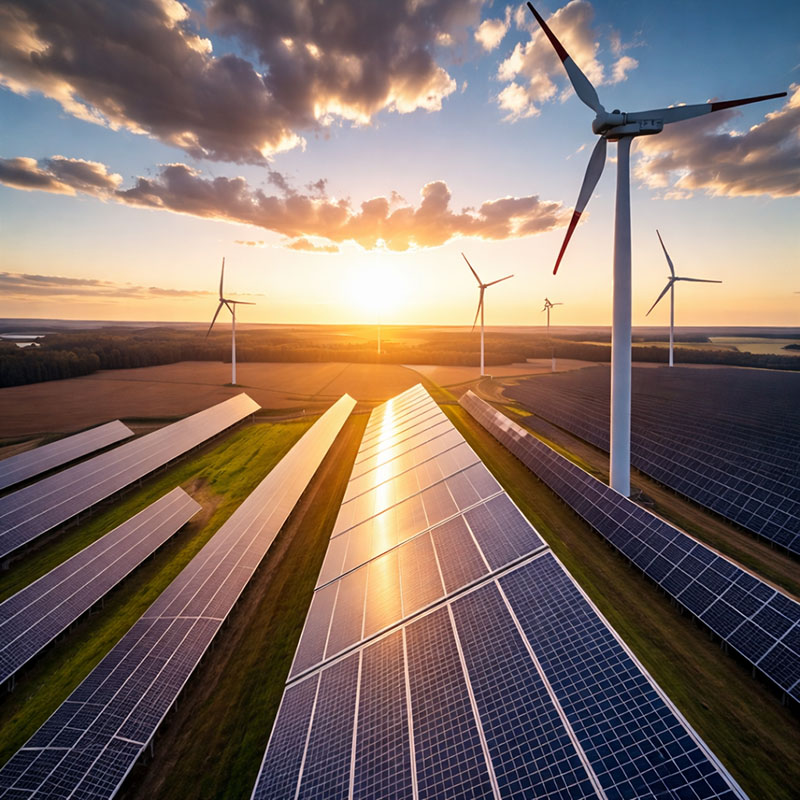
Energy
The cluster works with engineering solutions in the fields of energy generation, storage, distribution and efficient use. The focus is on practical technologies that are capable of implementation and scaling.
Typical projects:
The role of the cluster:
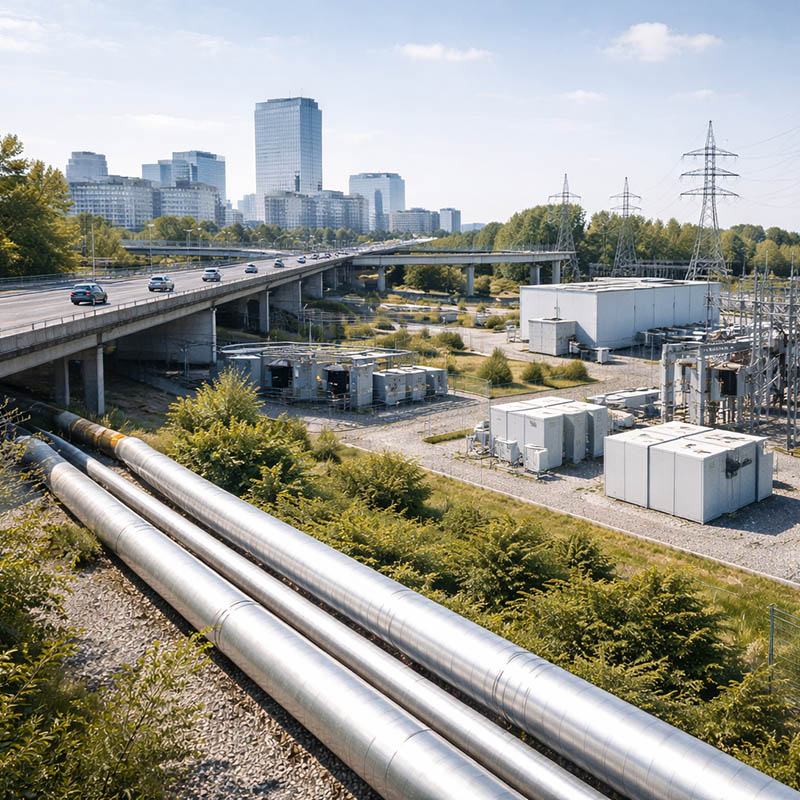
Infrastructure
The direction covers engineering and technological solutions for industrial, critical and urban infrastructure. Particular attention is paid to sustainability, reliability and adaptation to difficult operating conditions.
Typical projects:
The role of the cluster:
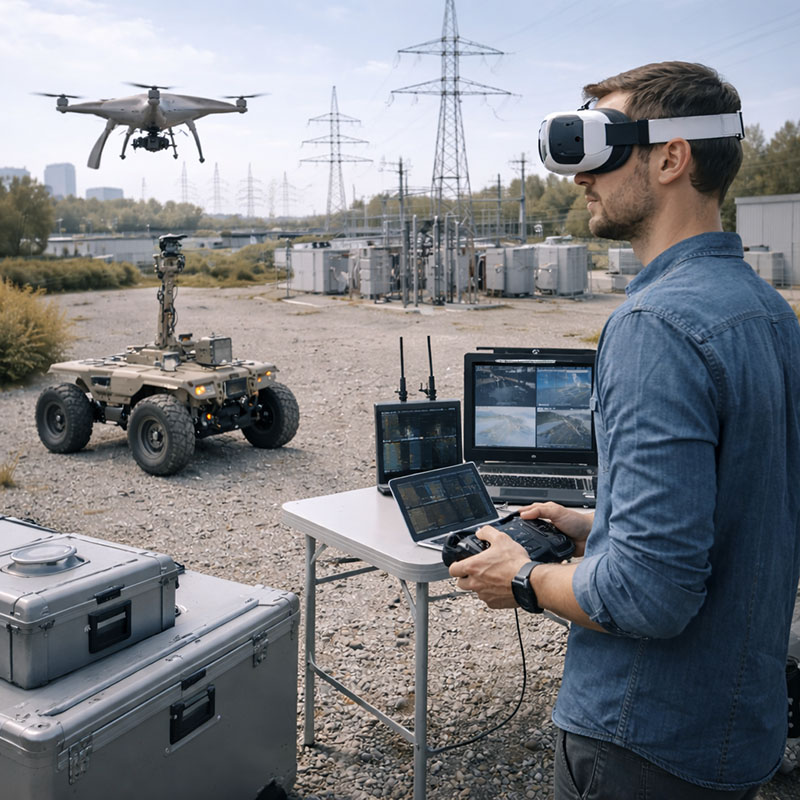
Defense and dual-use technologies
The cluster works with applied technologies that have both civilian and security applications. The focus is on engineering solutions that can be used in different contexts without changing the basic technological logic.
Typical projects:
The role of the cluster:
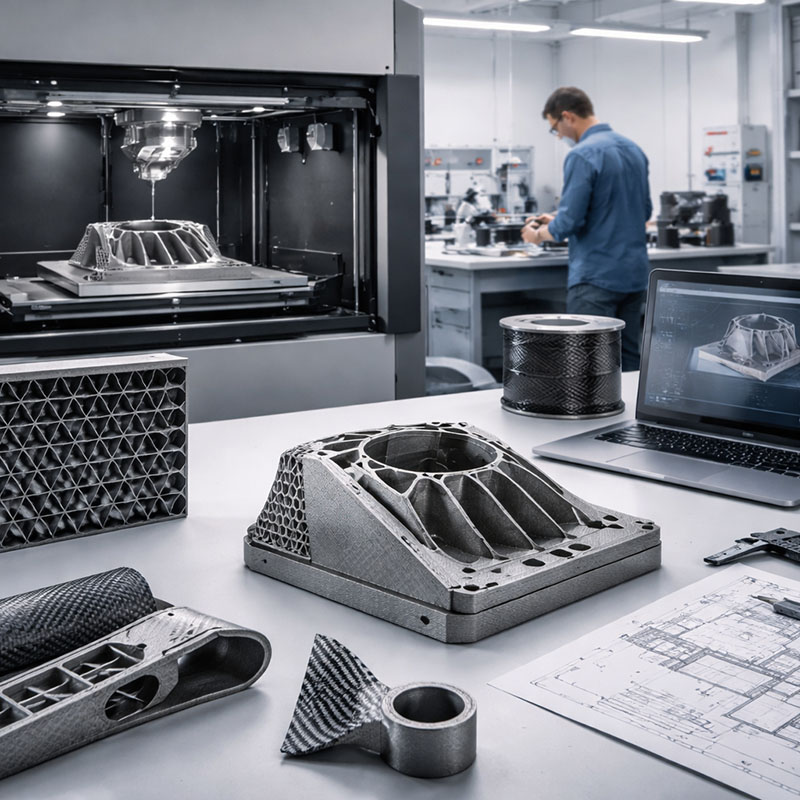
Materials science
The direction covers the development and implementation of new materials, technologies for their processing and application in industry and engineering systems.
Typical projects:
The role of the cluster:
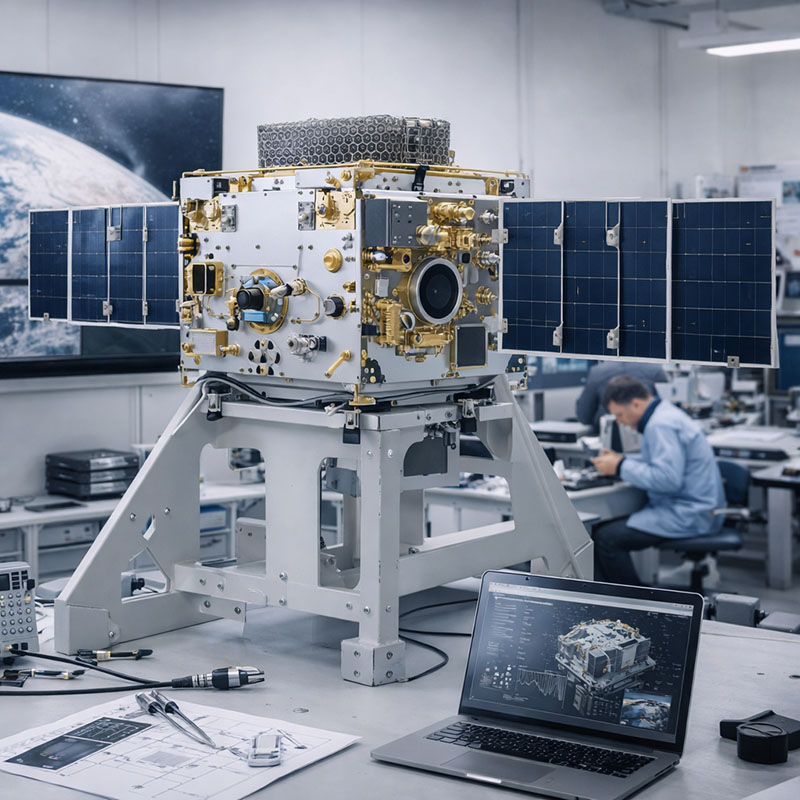
Space and aerospace technologies
The cluster supports engineering and scientific and technical projects in the field of space and aerospace technologies, as well as related industries.
Typical projects:
The role of the cluster: